
West-Vlaamse Intercommunale accelerates housing renovation with AI

Meeting housing renovation targets by 2030 requires speed and scalability. The West-Vlaamse Intercommunale (WVI), together with GIM, developed an innovative system that automatically analyses thermographic images using AI and geo-intelligence.
Accelerating thermographic analysis towards 2030
“If Flanders wants to meet its housing renovation targets by 2030, the pace must increase significantly,” says Ward Steeman, data and technology advisor at the West-Vlaamse Intercommunale (WVI). “The traditional approach, where a renovation advisor manually interprets thermographic images of façades and roofs, works well. But we are constantly looking for further automation to scale up our reach.”
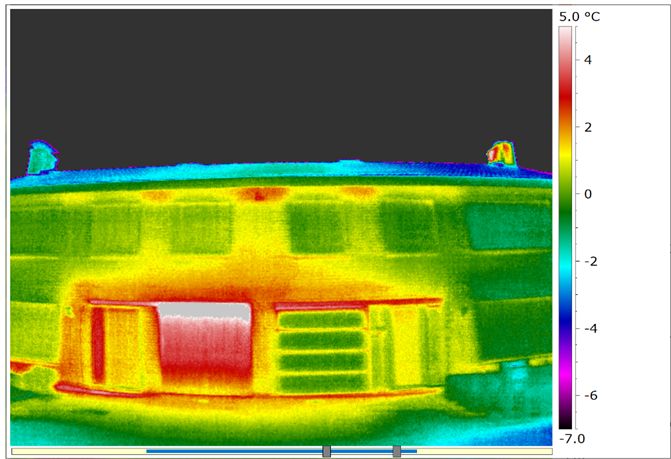
WVI has long used thermographic imagery to raise awareness among homeowners about heat loss in their homes. Processing more images meant deploying more advisors. Or finding a smarter approach.
AI and geo-expertise as the technical backbone
To develop an automated system, WVI turned to GIM. The choice was deliberate: “GIM’s focus on geo-technology closely aligns with our own GIS expertise,” says Steeman. “They also have experience with public sector organisations, open data, and the Flemish data ecosystem. That gave us confidence.”
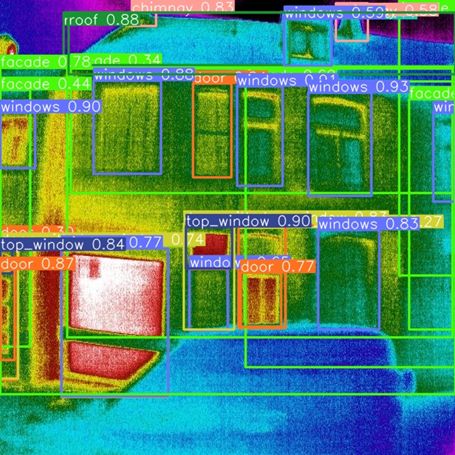
The result is ThermAI, a modular solution that handles the entire processing chain. A first module automatically selects the most suitable image from a series of capture points. A second module applies AI-based object recognition. A third module then interprets the thermal data. All results are stored in a database accessible via an API, ready for integration into existing systems.
Proven technical feasibility
The proof of concept demonstrates that the system can largely take over the role of a renovation advisor. This does not mean the advisor becomes redundant. Human validation remains essential. However, automation enables the processing of far larger volumes of images, allowing more homeowners to be reached.
A well-known principle was reaffirmed: output quality depends on input quality. The hardware used to capture thermographic images, as well as the associated settings such as GPS positioning, are critical to the final result. A valuable lesson for further deployment.
The ‘ThermAI’ project is co-funded through the City of Things programme of the Agency for Innovation and Entrepreneurship (VLAIO).
Pragmatic collaboration driving innovation
Innovative projects require a different approach than traditional IT programmes. “You can define your objectives upfront, but you need to continuously adjust along the way,” Steeman explains. “GIM’s experts understood this. Both parties remained flexible, and that pragmatism made this project a success.”
Ready to scale
WVI sees this project as a starting point. The developed modules provide a solid foundation for integrating new hardware such as handheld cameras or thermal drones. The ultimate goal is an efficient, scalable, data-driven Flemish system to support the renovation wave. All the building blocks are in place. The next step is scaling up.
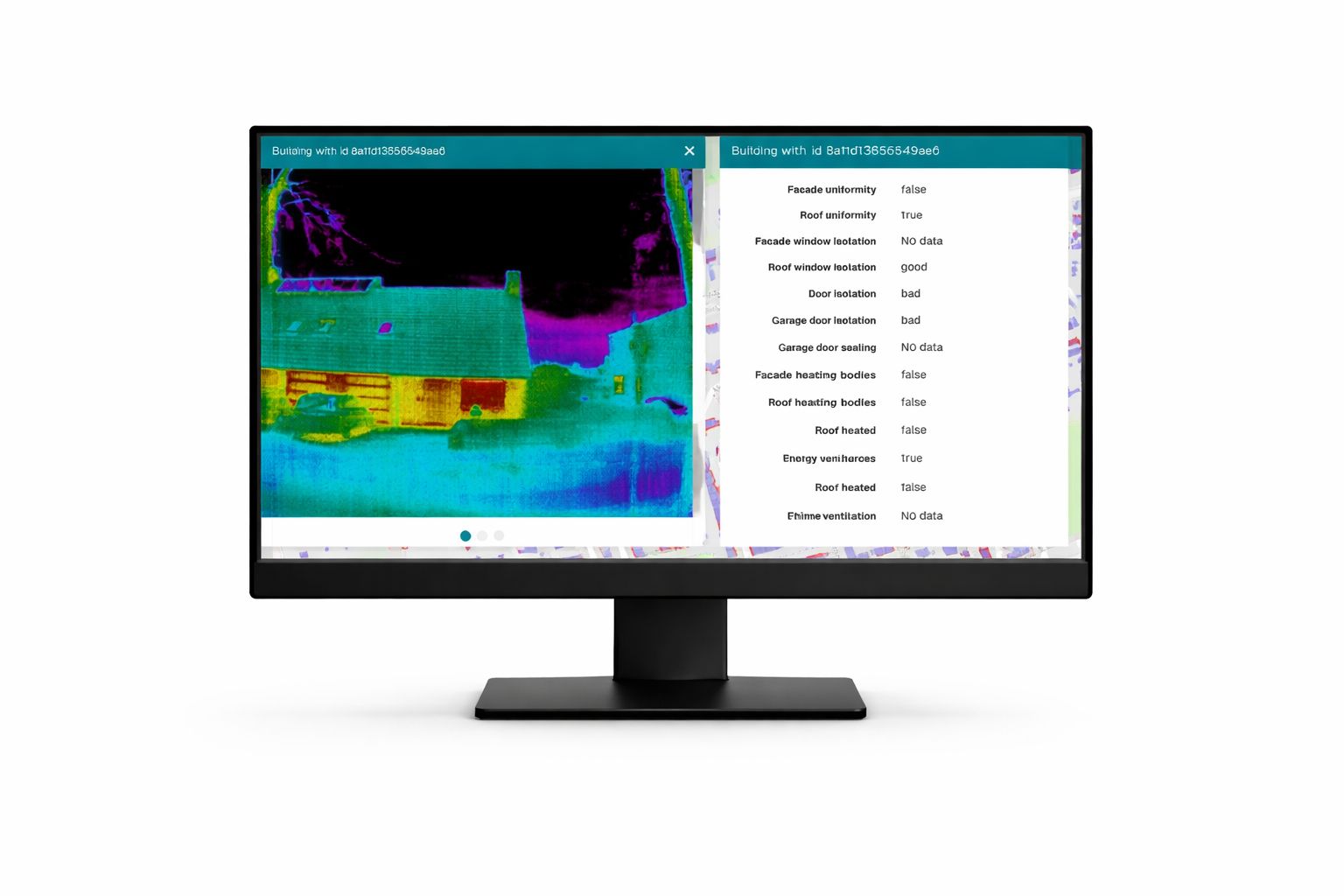
The technical feasibility has been proven. The modules are ready to scale towards a broader Flemish system.